How to Plan a Destination Wedding in Europe: The Complete Guide for American Couples
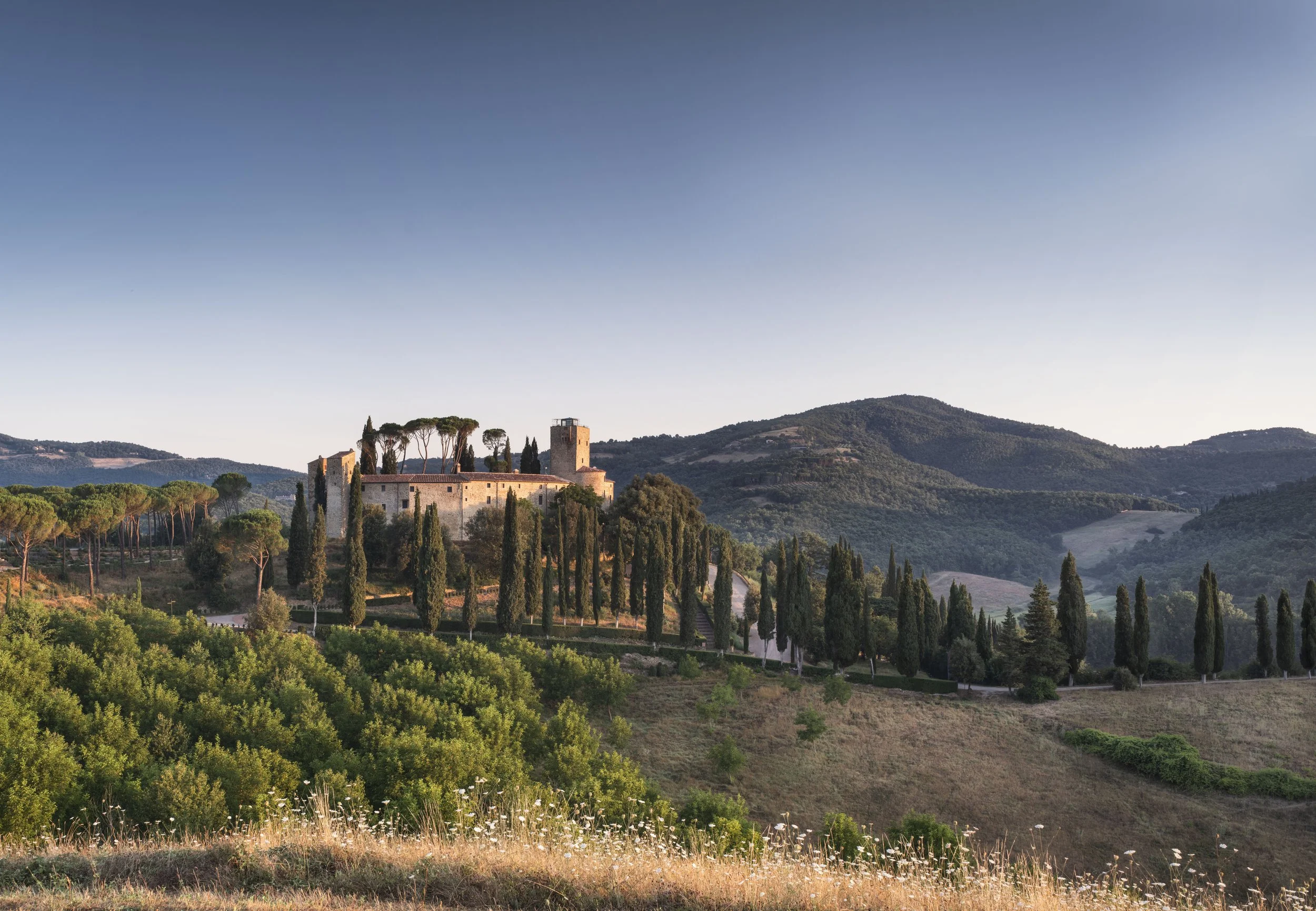
So you’ve already pictured it. You’re imagining golden hour light on a stone terrace somewhere in Provence. Your closest people, laughing around long tables strung with olive branches. A château, a vineyard, a cliffside chapel, something that you could never find at home.
Then the questions start. Where do you even begin? Do you need a European wedding planner or an American one? What's legal, what's just tradition, and how much is this actually going to cost?
I'm Mackenzie, an American, based in Biarritz, on the southwest coast of France. I spent years in luxury event planning and location sourcing before I moved here, and I built House of Rove because I kept meeting couples who were stuck between two worlds: the American planning mindset they grew up with, and the European reality of how weddings & events actually get done here. Most resources give you one or the other. This guide gives you both.
Below you’ll find everything you need to know to plan a destination wedding in Europe, from the very first decision to the final toasts goodbye.
Why Americans are Choosing European Destinations
American destination weddings have a certain formula, resorts, all-inclusive packages, and a wedding coordinator baked into the price. Europe works differently, and that's exactly the draw. You're not booking a package; you're building something from scratch, using venues that have existed for centuries and vendors who've been perfecting their craft for generations.
The trade-off is that it takes more planning, more research, and often a guide who understands both sides. An American couple doesn't just need someone who knows Provence. They need someone who understands what an American guest list expects, how American budgets translate into euros, and how to bridge the communication gap with European vendors who may not respond to emails the way a Nashville florist would.
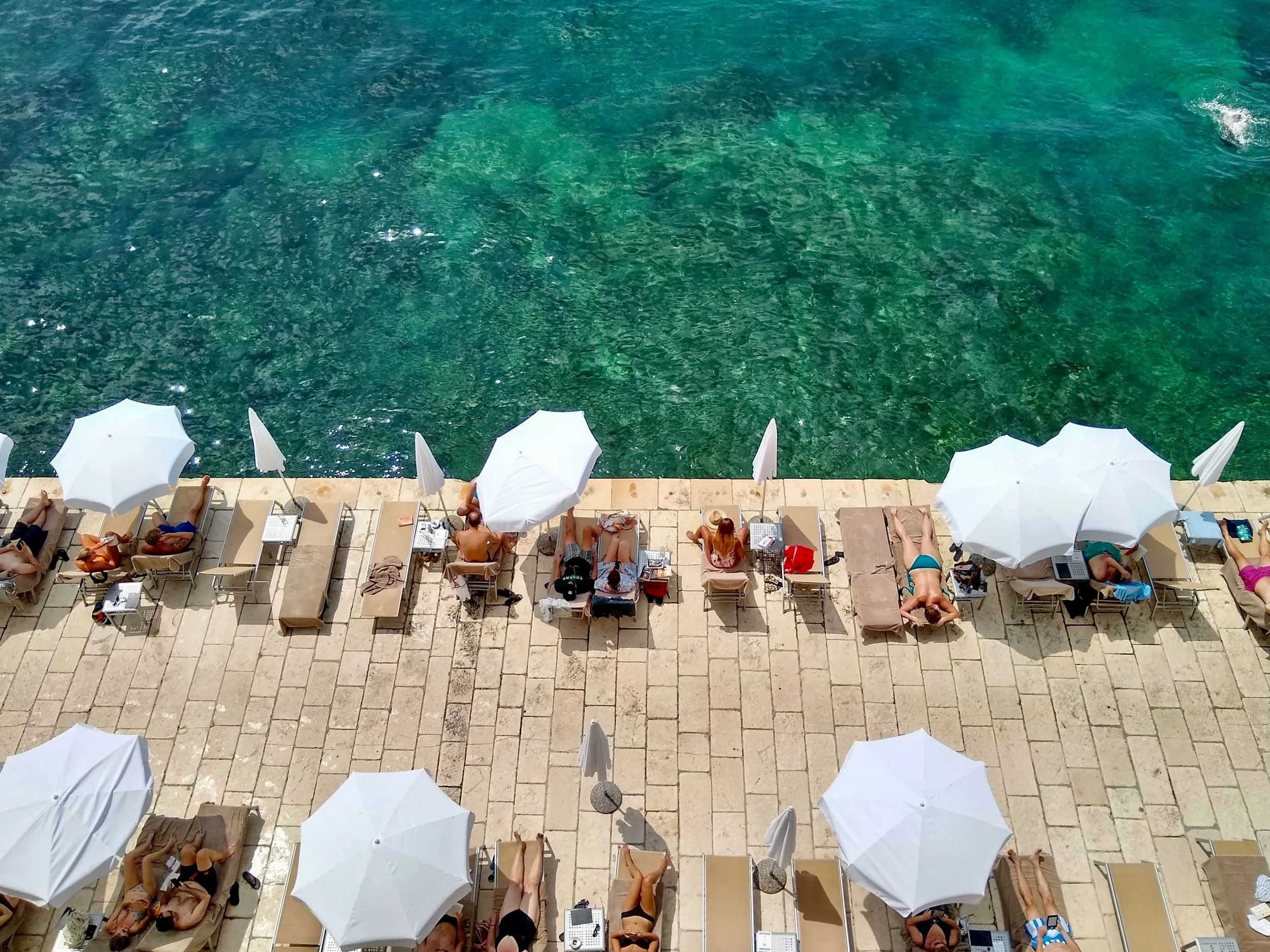
Step 1: Choose Your Region Before You Choose Your Venue
This is where most couples get stuck. They fall in love with a photo before they understand the region behind it
A few starting points:
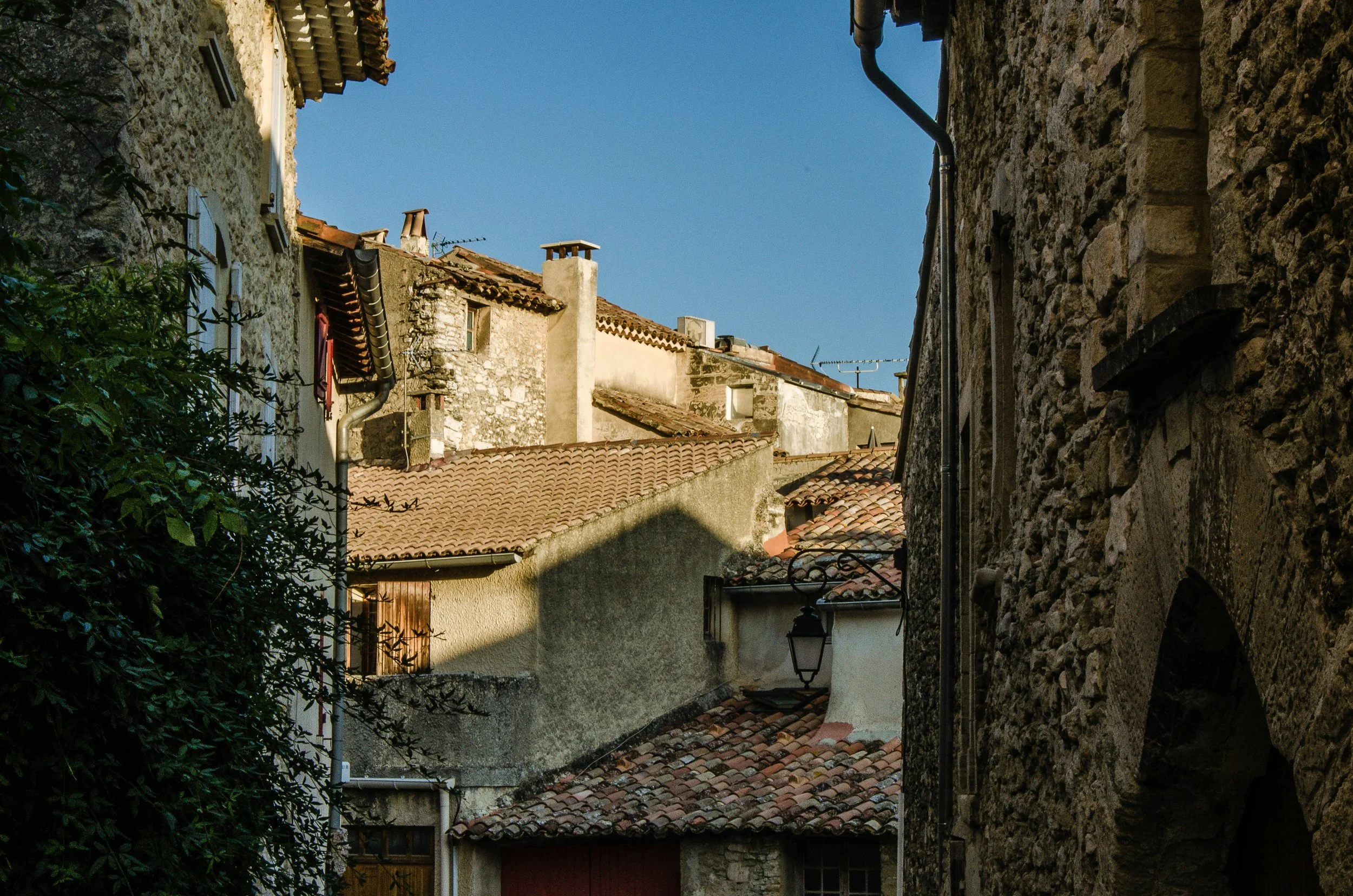
The South of France (Provence, the Riviera, the Basque Country) - lavender fields, hilltop villages, coastal glamour. Best for couples who want warm-weather elegance and don't mind a slightly higher price point.
Tuscany and Umbria, Italy - rolling vineyards, centuries-old villas, unmatched food and wine. Best for couples who want that unmistakable "Italian countryside" feel.
The Amalfi Coast, Italy - dramatic cliffside views, but logistically harder for large guest lists due to limited infrastructure.
Switzerland - mountain backdrops and lakeside estates, ideal for a smaller, more intimate guest list and a more controlled, formal aesthetic.
Bordeaux and the Dordogne, France - château weddings without the Riviera price tag, and a growing favorite for couples who want that fairytale château look on a more moderate budget. Also, a large English expat community, so you can be sure to find English-speaking vendors!
Your region determines everything downstream: your guest count logistics, your travel costs, your vendor pool, and your season. Pick this first, and the rest of the plan falls into place far more easily.
Not sure where to start? Grab the free European Destination Wedding Checklist, a 7-page planning tool that walks you through region selection, guest logistics, and legal must-knows before you book a single vendor. Get the checklist!
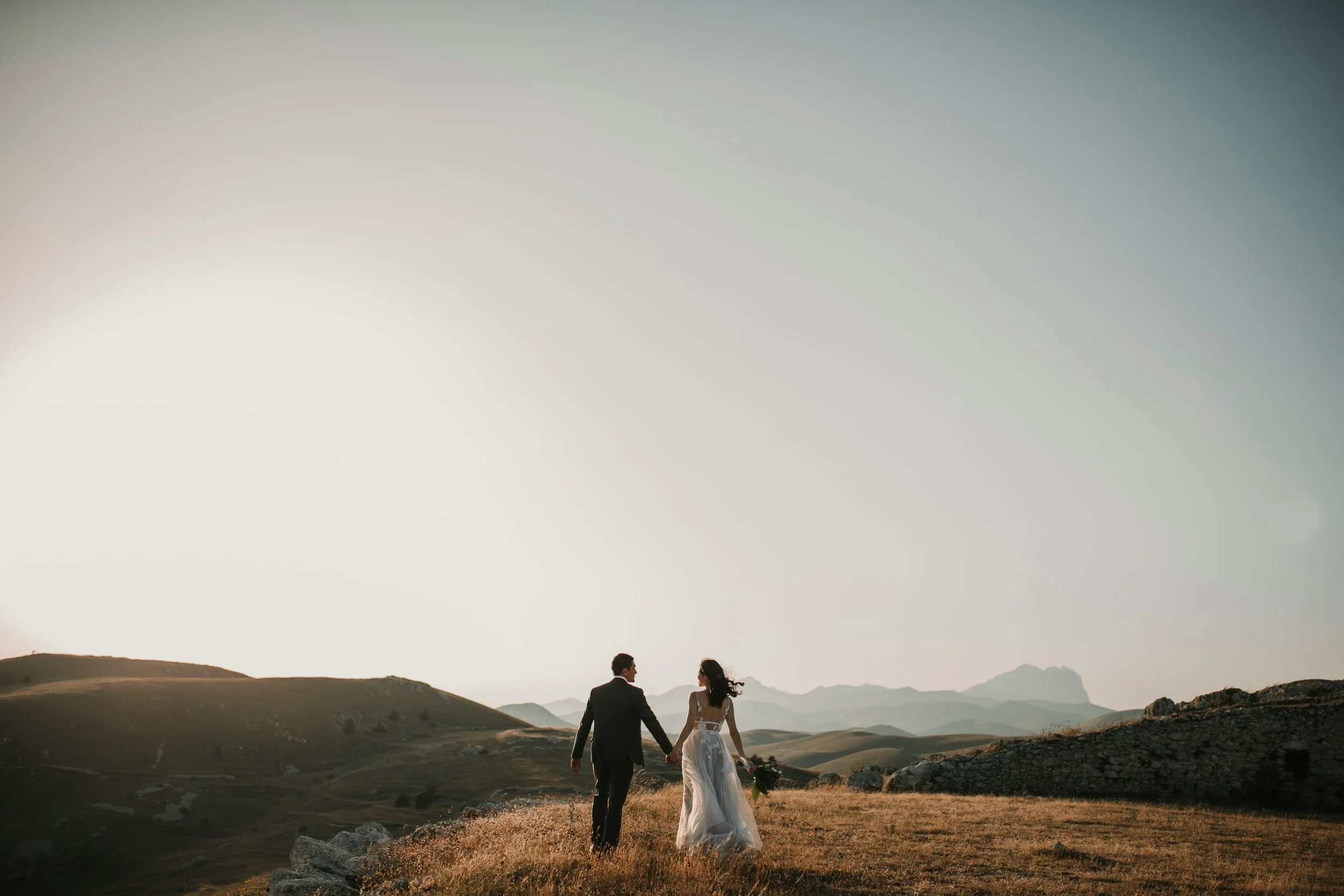
Step 2: Understand European Timelines
The standard answer, across France, Italy, and Europe more broadly, is that most couples start planning 12-18 months out. That's the sweet spot for securing your venue and locking in vendors before they book up. If you're working with a 12-14 month runway, you are not behind; you're right on pace with how most European destination weddings actually get planned.
Where you could see a longer 18-24+ month timeline comes in specifically for the most in-demand venues and dates: peak season (May through September), and especially July, August, and early-September Saturdays in hotspots like Provence, Lake Como, or the Amalfi Coast. Those calendars can fill up a year or more out. If you're set on one very specific, very popular venue on a summer Saturday, start earlier. If you're open to shoulder-season dates (April-June or September-October), a wider range of venues, or a weekday celebration, 12 months, sometimes even less, is genuinely workable.
And if you're already inside that 12-month window, don't panic. Plenty of couples plan beautiful European weddings in 6-12 months by staying flexible on date and venue and leaning on a planner who already has vendor relationships in place, rather than starting the search from scratch.
A realistic European wedding timeline looks like this:
12-18 months out: Choose region, secure venue, book planner (start earlier, 18-24 months, only if you're targeting a specific in-demand venue on a peak-season Saturday)
10-15 months out: Book photographer, videographer, and any in-demand vendors (these go first)
9-12 months out: Send save-the-dates (guests need time to book flights)
6-9 months out: Finalize catering, florals, music, and legal paperwork process
6 months out: Send formal invitations, finalize guest travel logistics
1-2 months out: Final vendor walkthroughs, seating charts, welcome bags

Step 3: Get Ahead of the Legal Paperwork
This is the part that surprises most American couples, and it's the single most common reason weddings run into last-minute stress.
Most European countries require a civil ceremony for the marriage to be legally binding, and many require a minimum residency period in the country before you can legally marry there, France, for example, historically required at least one partner to reside in the country for 30-40 days prior. Because of this, a huge number of American couples choose to legally marry in the U.S. beforehand (a simple courthouse ceremony) and then hold a symbolic ceremony in Europe, officiated by a celebrant, with no residency requirement and no legal complications.
This isn't cutting corners; it's standard practice, and most European wedding planners and officiants build entire businesses around exactly this model. But it's a decision to make early, because it affects your ceremony structure, your officiant search, and your paperwork timeline.
Every country has different rules (France, Italy, and Switzerland are all slightly different), so this is a step where working with someone who has been through the process, rather than piecing it together from forums, saves real time and stress.
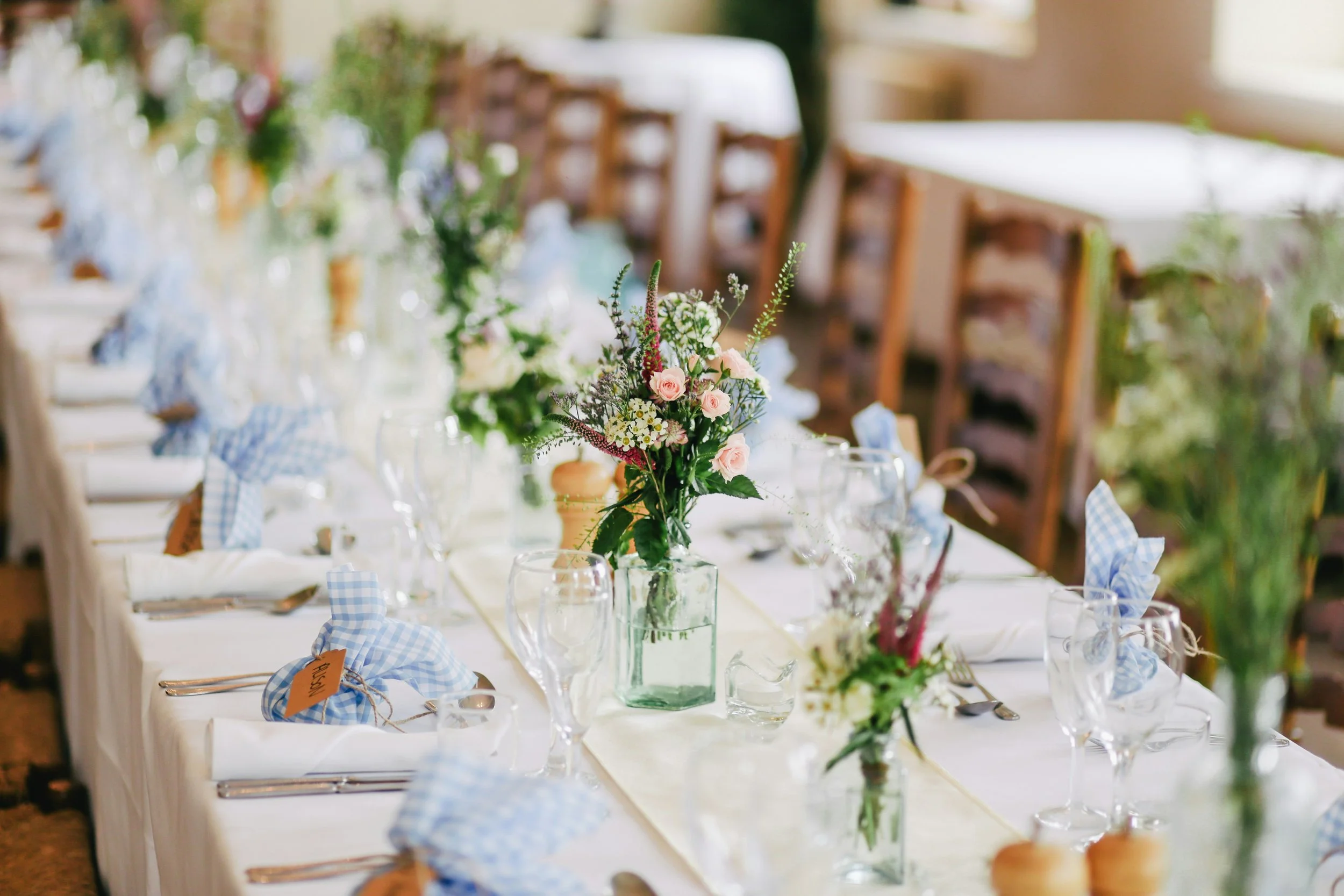
Step 4: Build a Vendor Team That Speaks Your Language (Sometimes Literally)
The biggest gap between American and European wedding planning is communication style. American vendors tend to over-communicate: frequent emails, detailed contracts, fast turnaround. Many (not all) European vendors, particularly in smaller regions, operate differently. Response times can be slower, contracts can be sparser, and the working relationship often depends more on trust and referral than on paperwork.
This isn't a red flag. It's just different, and it's worth knowing going in so you're not misreading normal behavior as a bad sign. The couples who have the smoothest experience are the ones who either:
Work with a planner or advisor who already has established, trusted vendor relationships in the region, or
Go in with realistic expectations about pacing and build in extra time for responses
Step 5: Budget in Euros, Not Assumptions
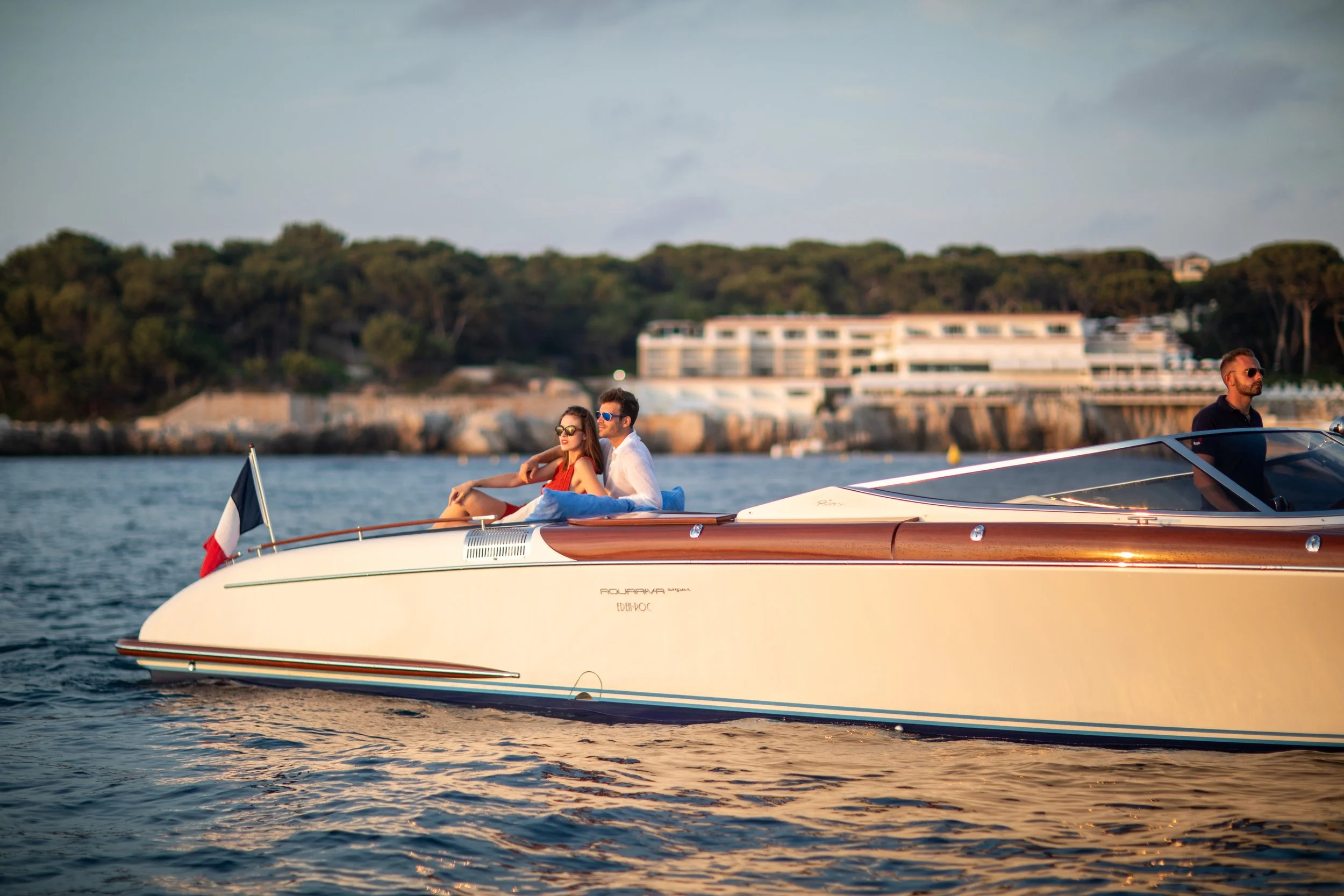
A quick gut check: European weddings are not automatically cheaper than American ones, but the value is often different. You're frequently paying for a venue with centuries of history, a catering team trained in a specific regional cuisine, and florals sourced from local growers rather than imported stems, and that shows up in the experience, even when the line-item costs look similar to home.
Rough ranges for a 60-80 guest wedding in France or Italy (excluding travel):
Venue: €4,000-€25,000+ depending on region and exclusivity
Catering: €150-€300 per person (food is a star element in Europe!)
Photography + videography: €3,000-€12,000 combined
Florals: €2,000-€10,000
Planner/coordinator: €4,000-€15,000+ depending on scope
Currency fluctuation, VAT, and the fact that many contracts are priced in euros rather than dollars all matter here, build in a buffer of at least 10-15% for exchange rate movement between booking and final payment.
Step 6: Think Through Your Guest Experience, Not Just Your Ceremony
Your guests are making a significant investment in flights, in hotel stays, in time off work, to be there. The weddings that feel most memorable are the ones that treat the whole trip as the event, not just the ceremony day.
Consider building in:
A welcome dinner or casual gathering the night before
A group activity or excursion for guests arriving early (wine tasting, a coastal boat trip, a village walking tour)
Local welcome bags with practical information (currency notes, local phrases, a map of nearby cafés)
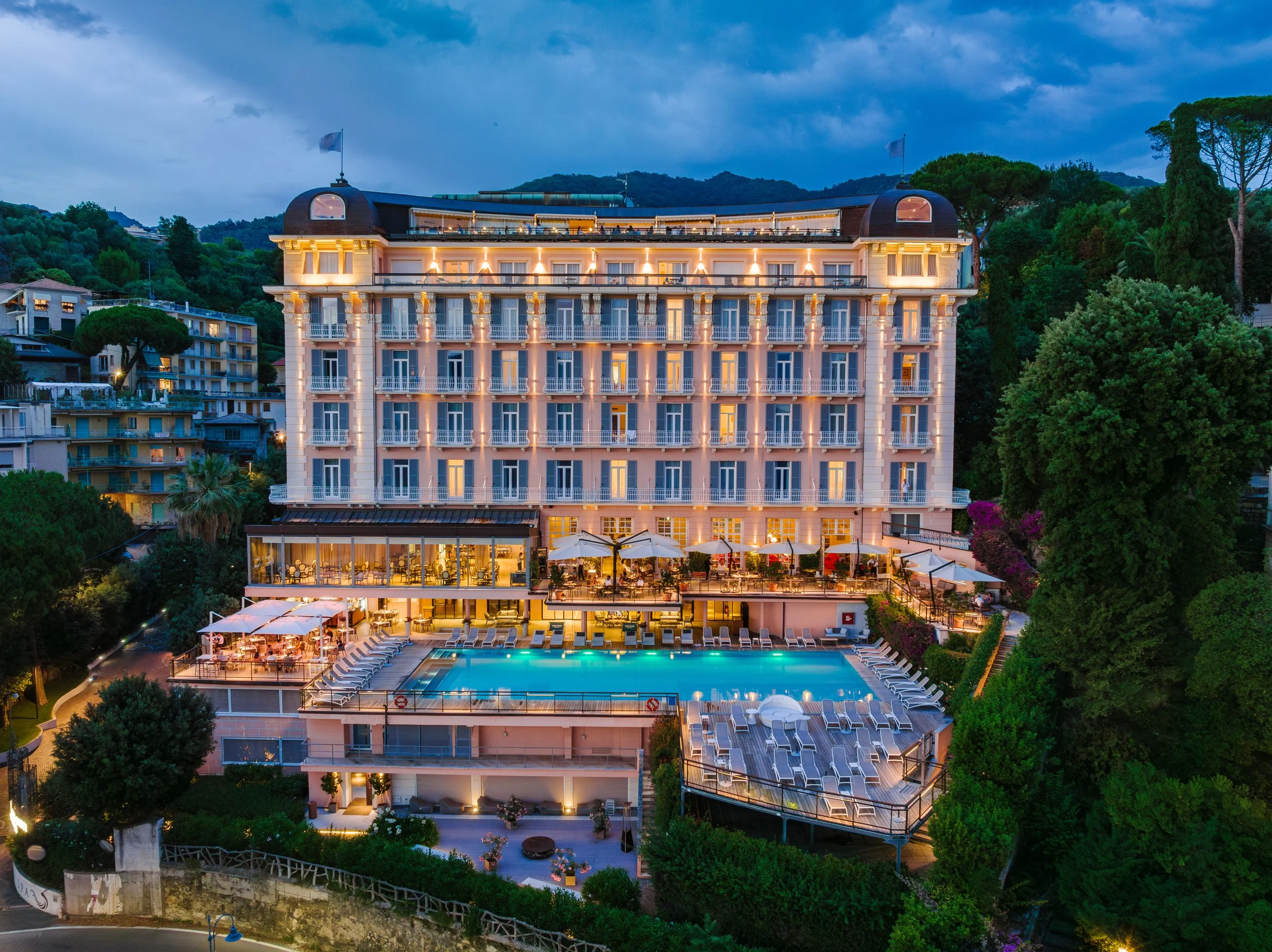
A recommended hotel block, ideally within walking distance of the venue
This is also where a planner with genuine on-the-ground knowledge of the region earns her keep, recommending the right nearby hotel, the right welcome dinner spot, the right day-after brunch, rather than couples piecing it together from TripAdvisor at 11pm.
The Bottom Line
A European destination wedding is one of the most rewarding things you can plan, and one of the most logistically involved. The couples who have the smoothest experience aren't necessarily the ones with the biggest budgets. They're the ones who start early, understand the legal and cultural realities going in, and have someone in their corner who genuinely understands both the American guest experience and the European way of doing things.
That's exactly the gap House of Rove was built to fill.
Ready to go deeper? The Handbook is a 50-page, 8-chapter planning guide covering everything from region selection to vendor contracts to legal paperwork by country, built specifically for American couples planning a wedding in Europe. Grab the Handbook!